UX/UI DESIGN
INDUSTRY
CULTURAL
YEAR
2025/2026
TEAM
5 PEOPLE
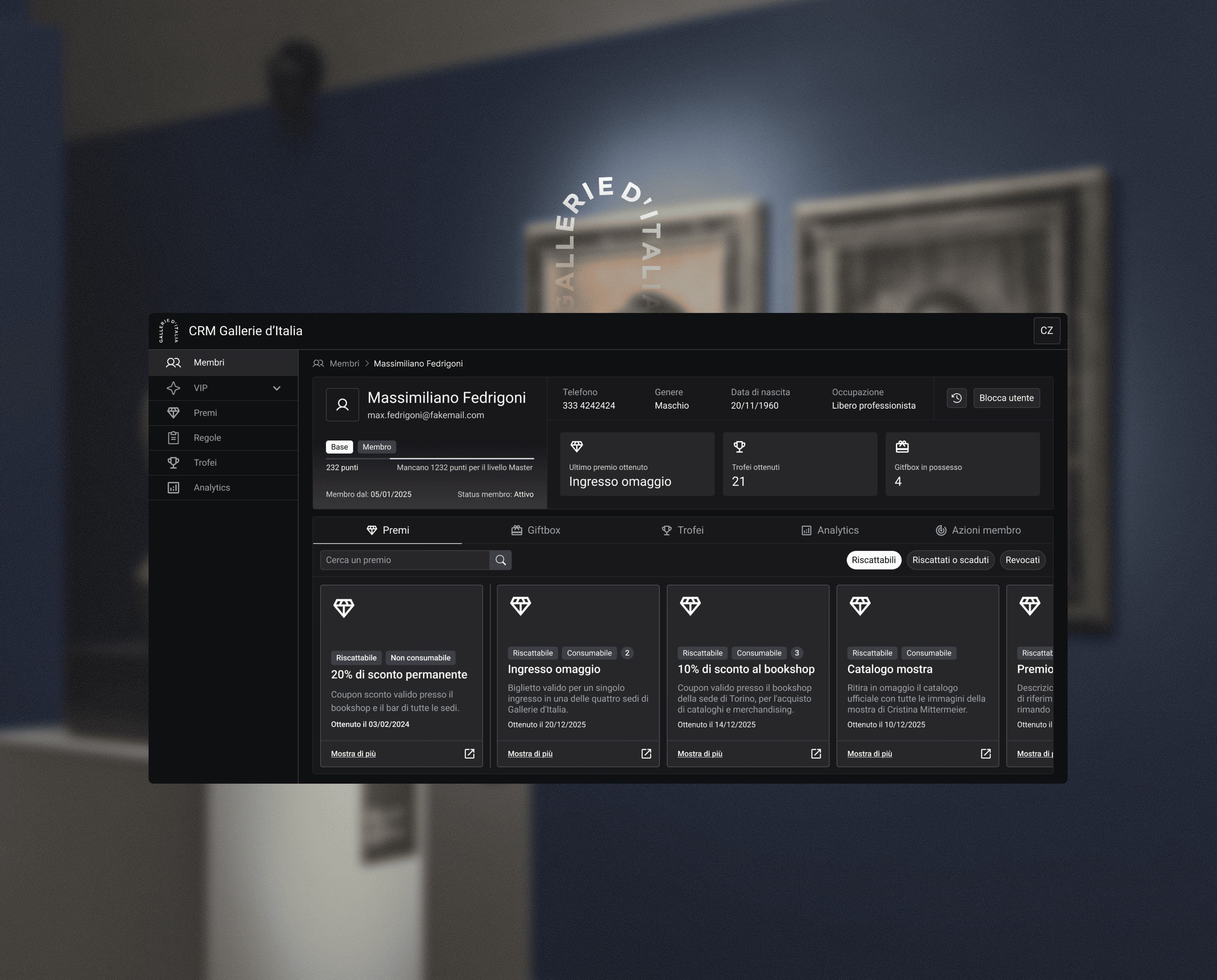

Introduction
In 2025, Gallerie d’Italia, the museum network comprising the museums in Turin, Milan, Vicenza, and Naples, part of Intesa Sanpaolo, expressed an interest in creating a membership program for users of the Gallerie d’Italia app.
This led to the definition, drafting, and subsequent design of a points-and-rewards loyalty program for members, with a distinction between standard and VIP members. The goal was to increase user loyalty—and consequently museum visits—by rewarding users with exclusive benefits and increasing overall engagement.
The project involved five different teams, including my team at Inmagik, and dozens of people, each with different roles across design, development, and project coordination.
Overview
Project Goal
Platform
Timeframe
Team composition
Purpose of the tool
The CRM tool, which I was responsible for, serves as the backbone and central point of connection between rewards, customer visits, and member management.
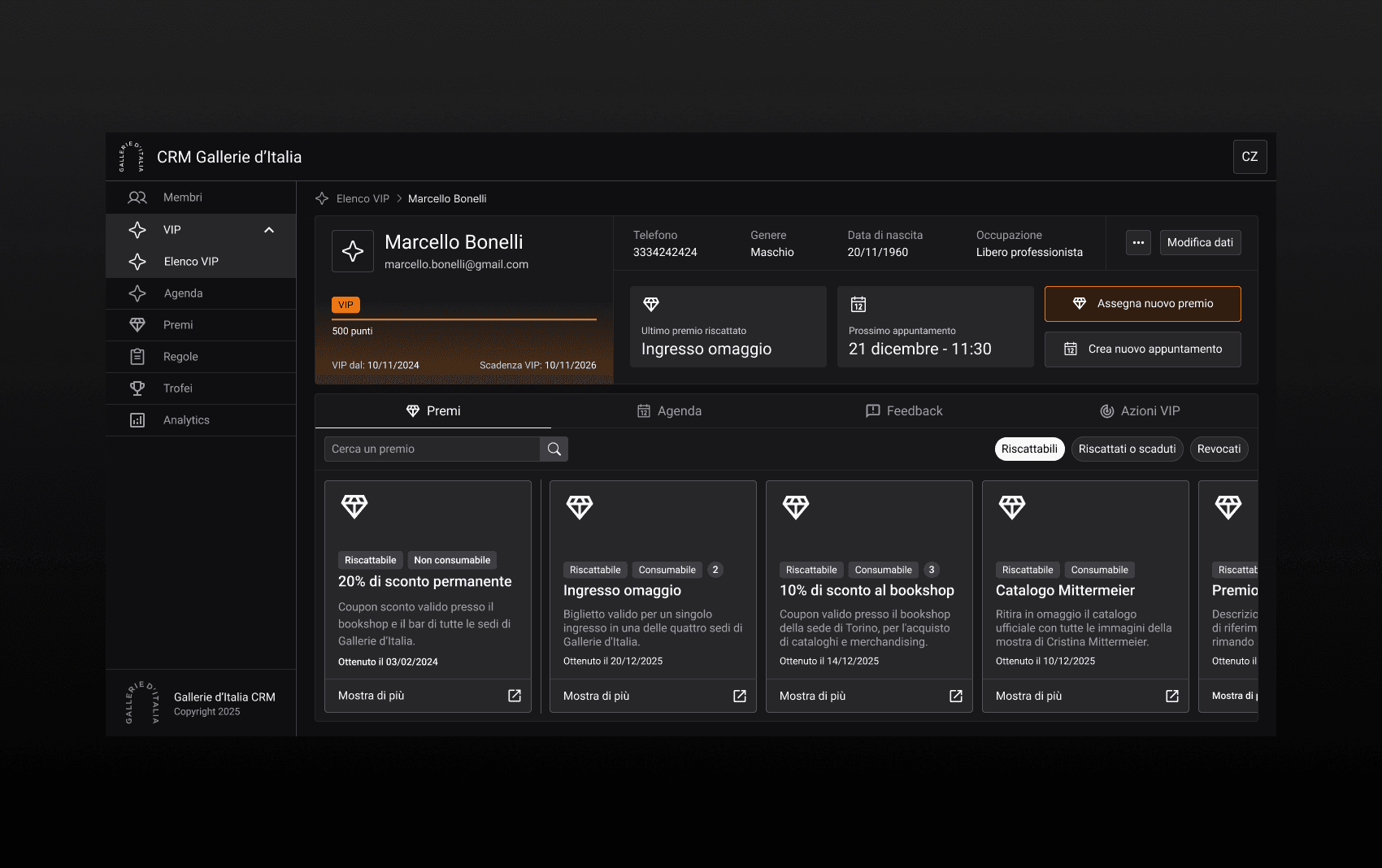
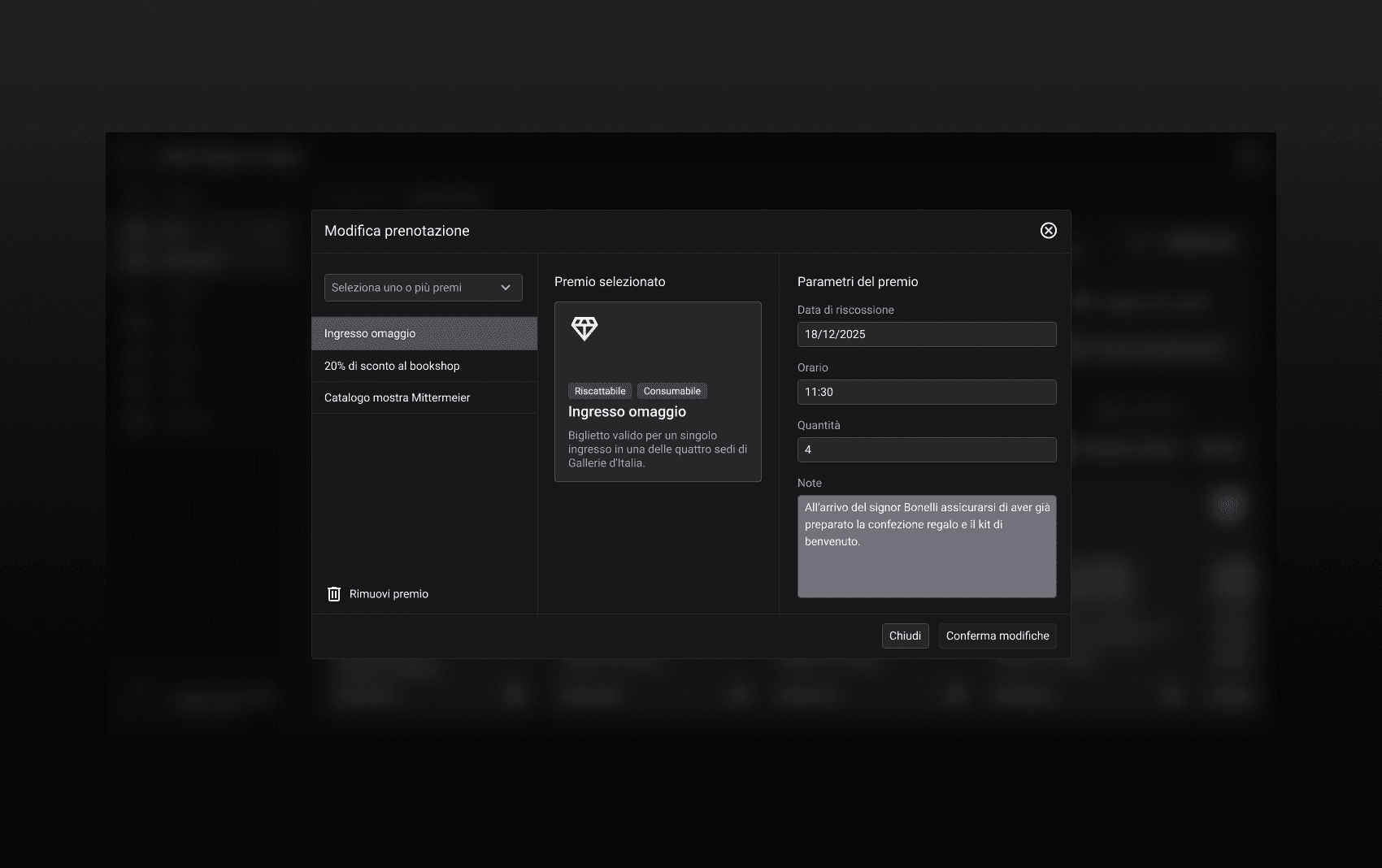
Operators using the CRM can create new users, define whether they are standard or VIP members, assign new rewards to individual users when necessary, manage VIP members’ appointments for the various exhibitions, and have a clear overview of the analytics related to the rewards that have been assigned.
Some data about GDI
Gallerie d’Italia is one of Italy’s leading cultural institutions, bringing together four museums in Milan, Naples, Turin and Vicenza.
In 2025, the network welcomed around 750,000 visitors, hosted 18 major exhibitions, and organized more than 510 cultural events and initiatives, reaching over 36,000 participants.
Annual visitors
Major exhibitions
Cultural events
Responsibilities
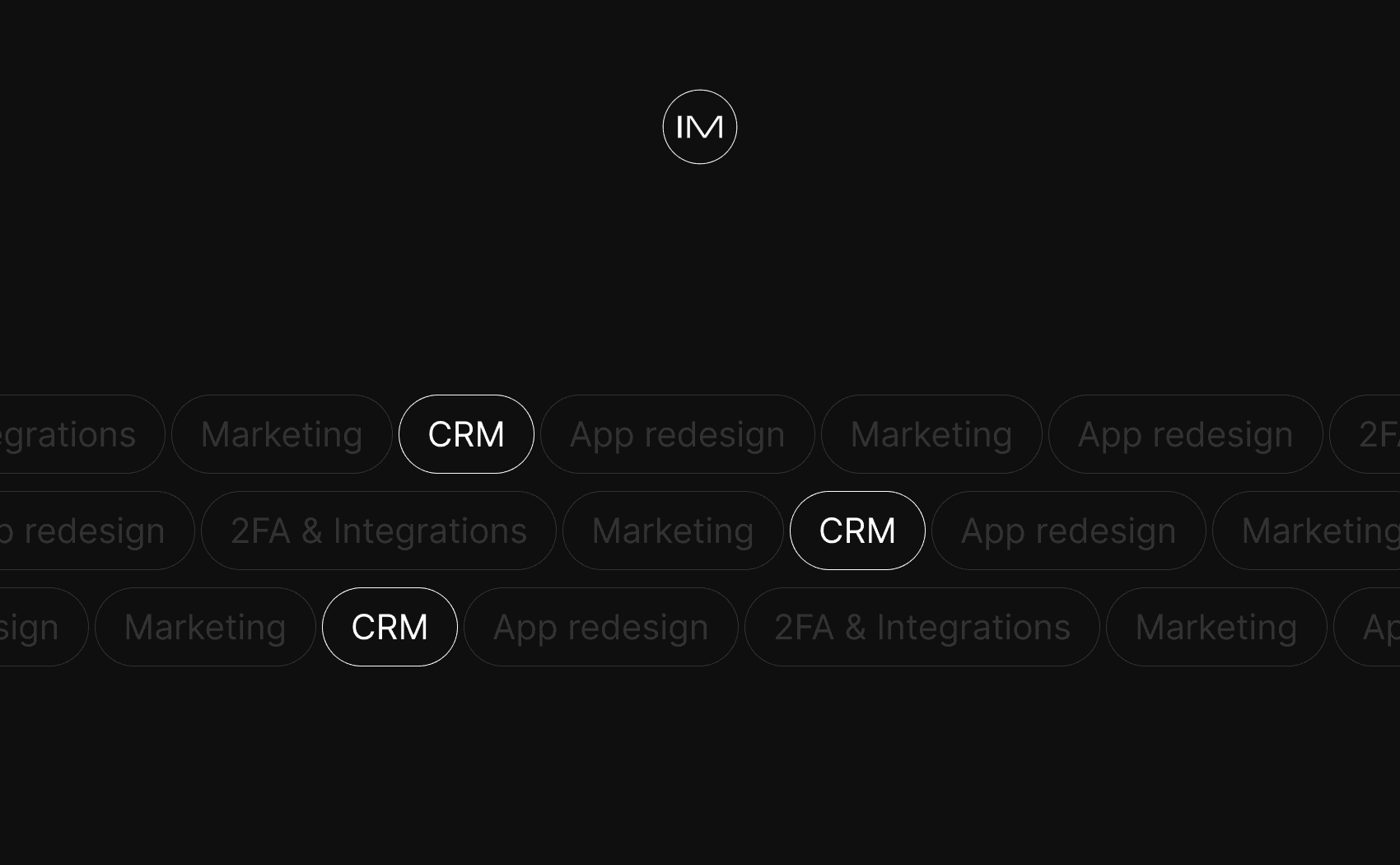
As anticipated, several teams were involved in the project, with Inmagik responsible for the CRM side.
Other teams handled the marketing campaign, the redesign of Gallerie d’Italia’s existing native app, the implementation of systems such as two-factor authentication, and other technical aspects.
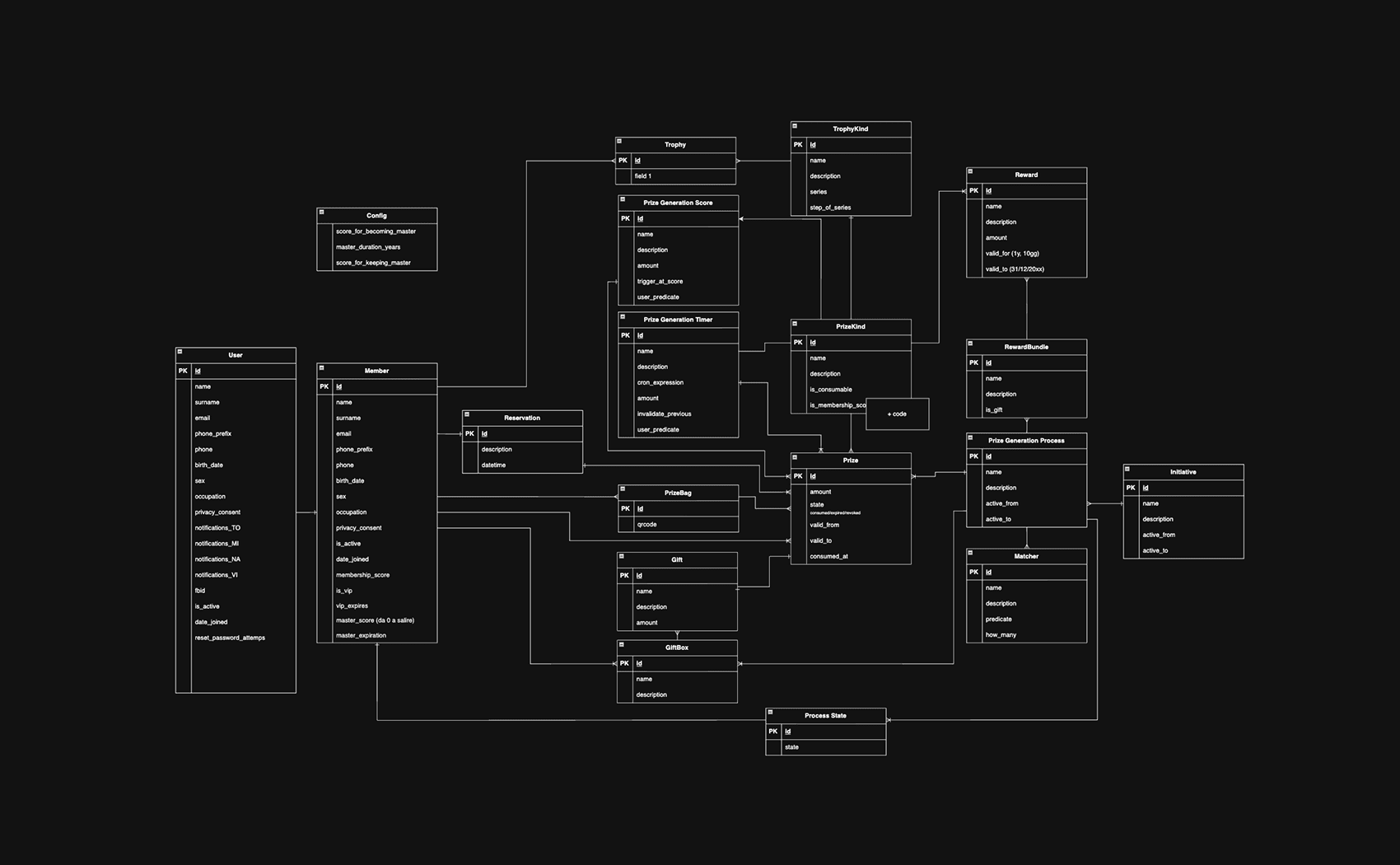
Backend composition
From the very beginning, I started working closely with the developers, who defined the CRM’s data model.
The data model included a distinction between standard and VIP members, two different levels for standard members, the technical logic for assigning rewards and defining rules, analytics management, and the ability to earn specific trophies through actions.
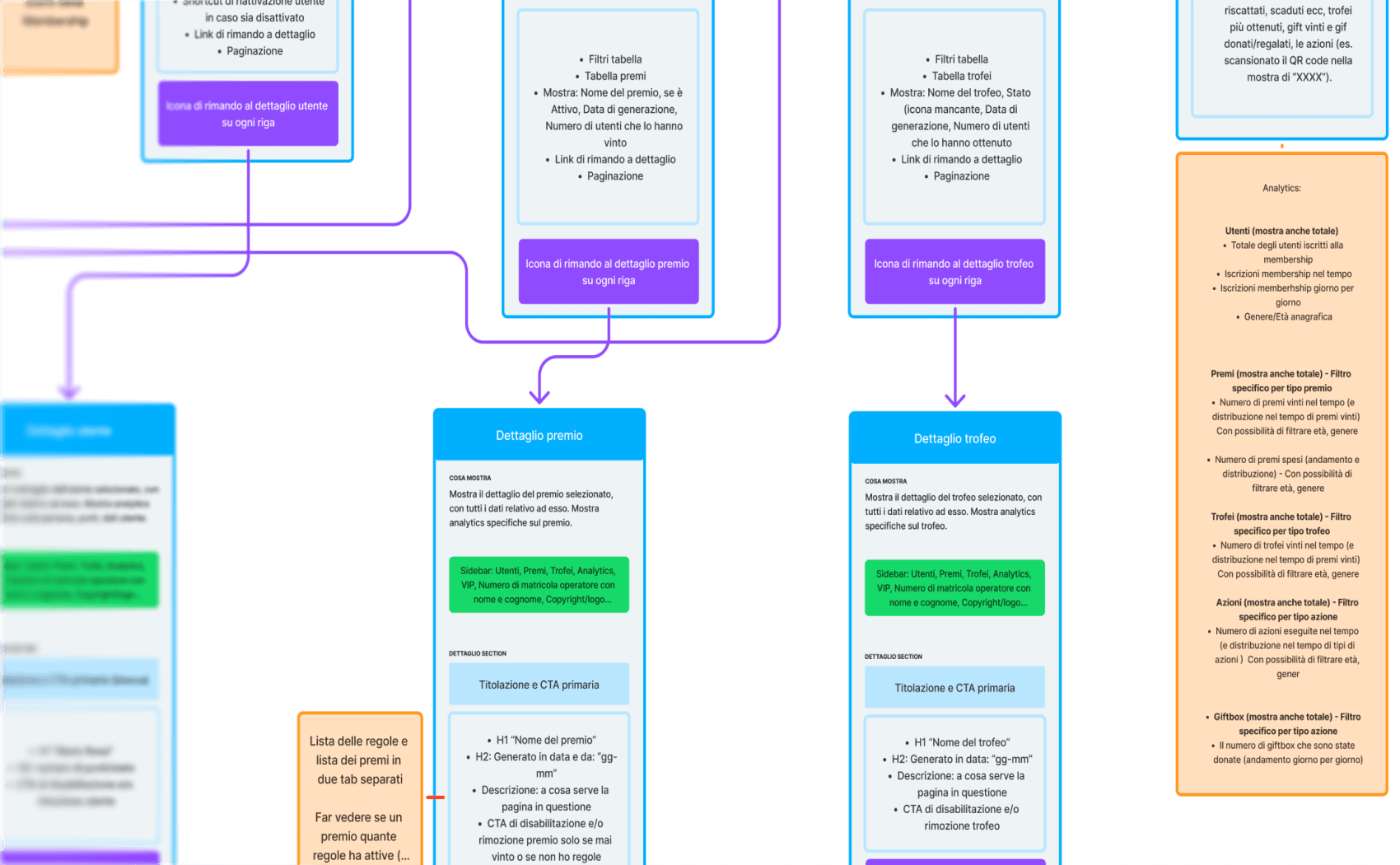
UX architecture
Once the data model had been defined by the developers, I had a clear understanding of the data the CRM would contain.
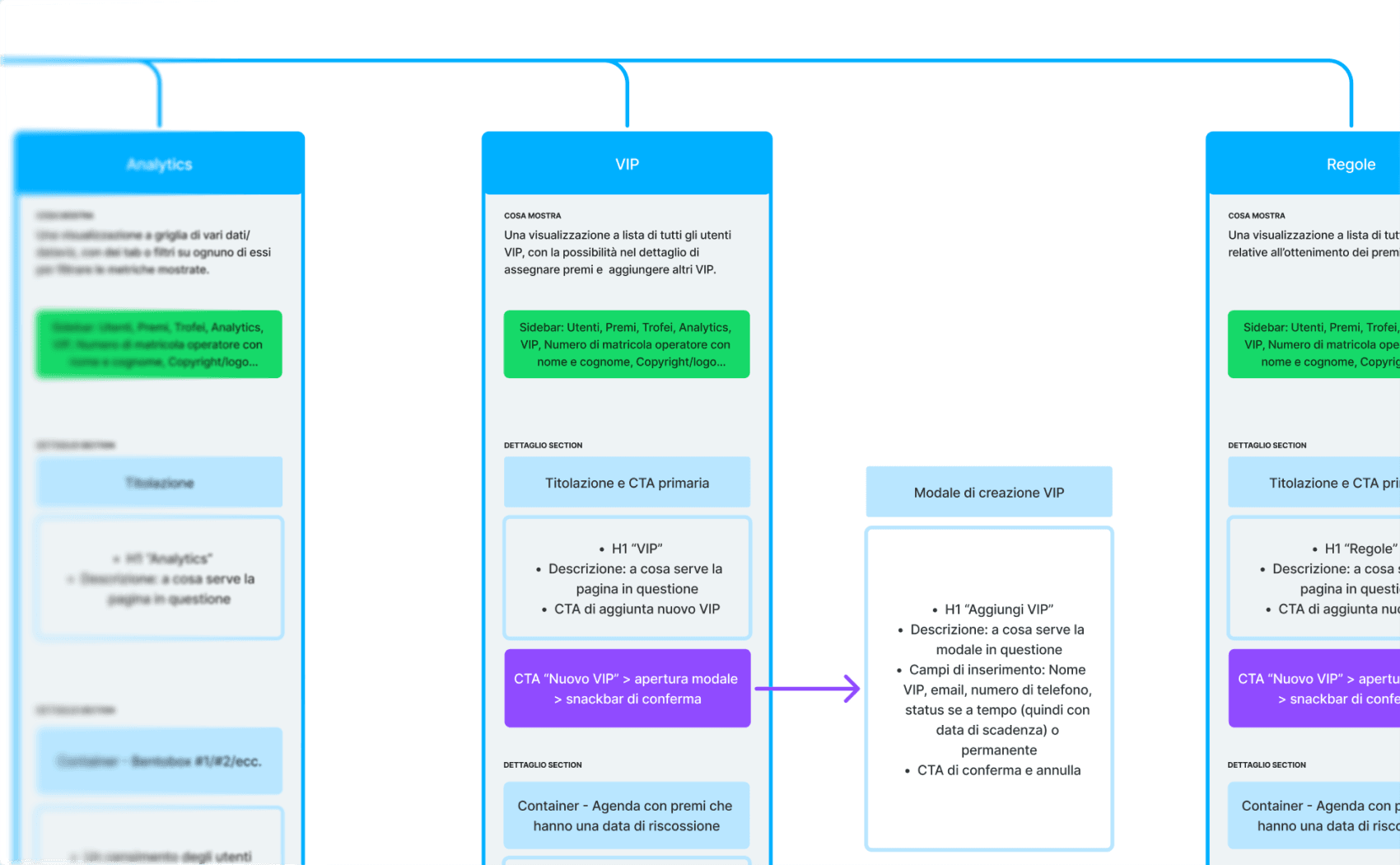
I then began creating and iterating on the information architecture through several calls with the client, defining what the CRM would include.
Major section
Member profiles, with a distinction between standard and VIP users.
Major section
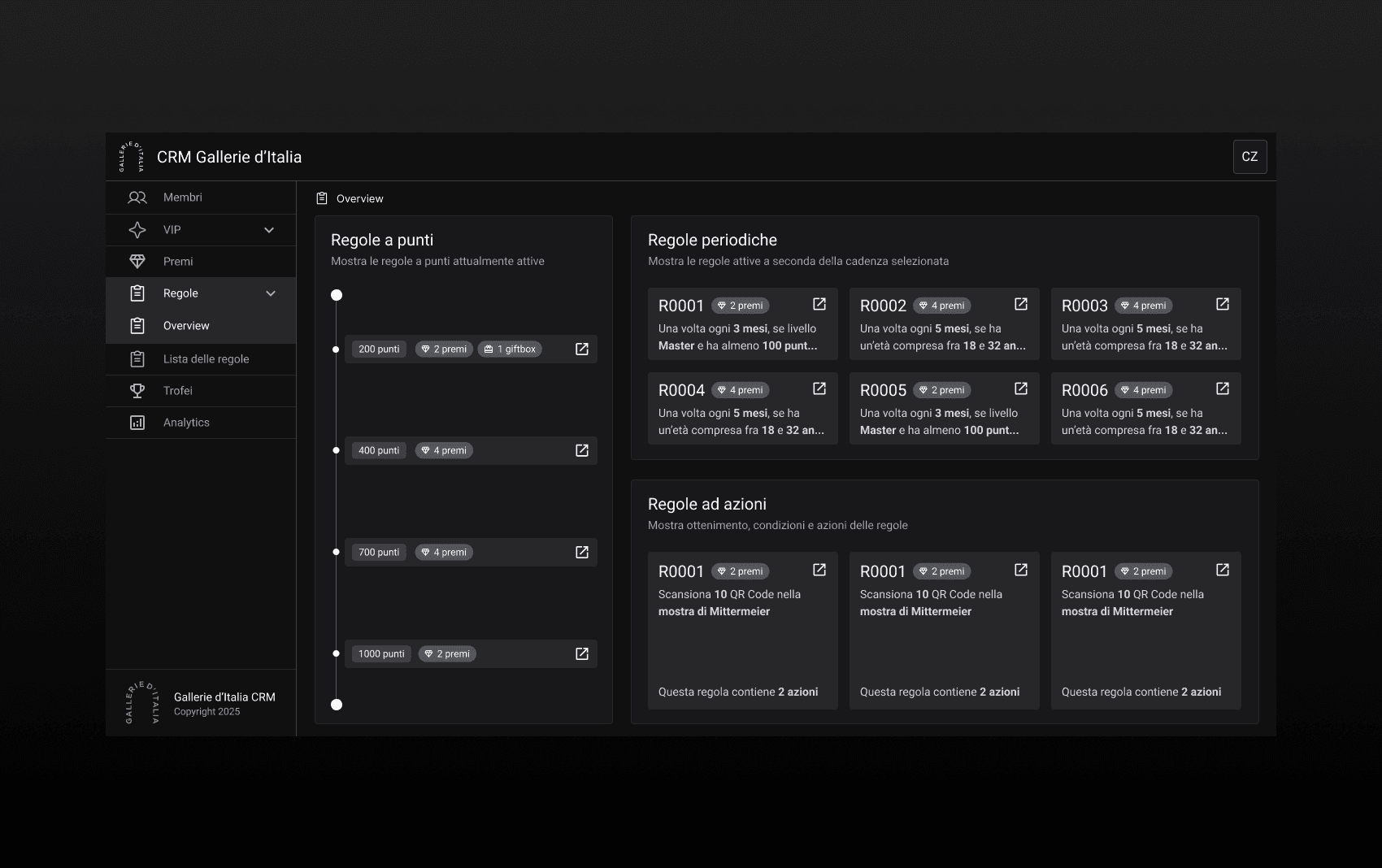
Rewards and allocation rules section, including quantity, notes, and reward type.
Major section
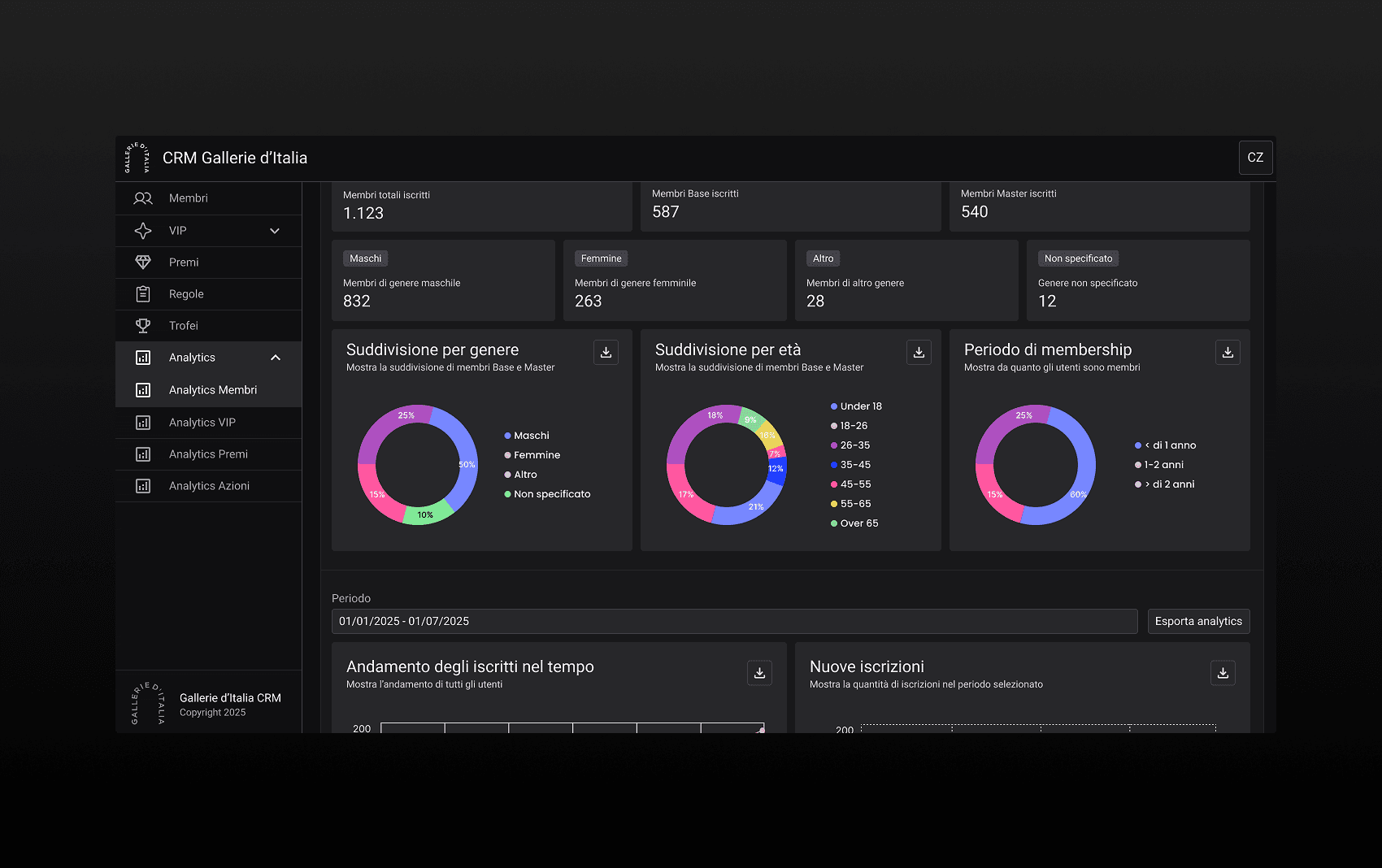
Analytics to track rewards that have been assigned, redeemed, or expired.
Defining user flows
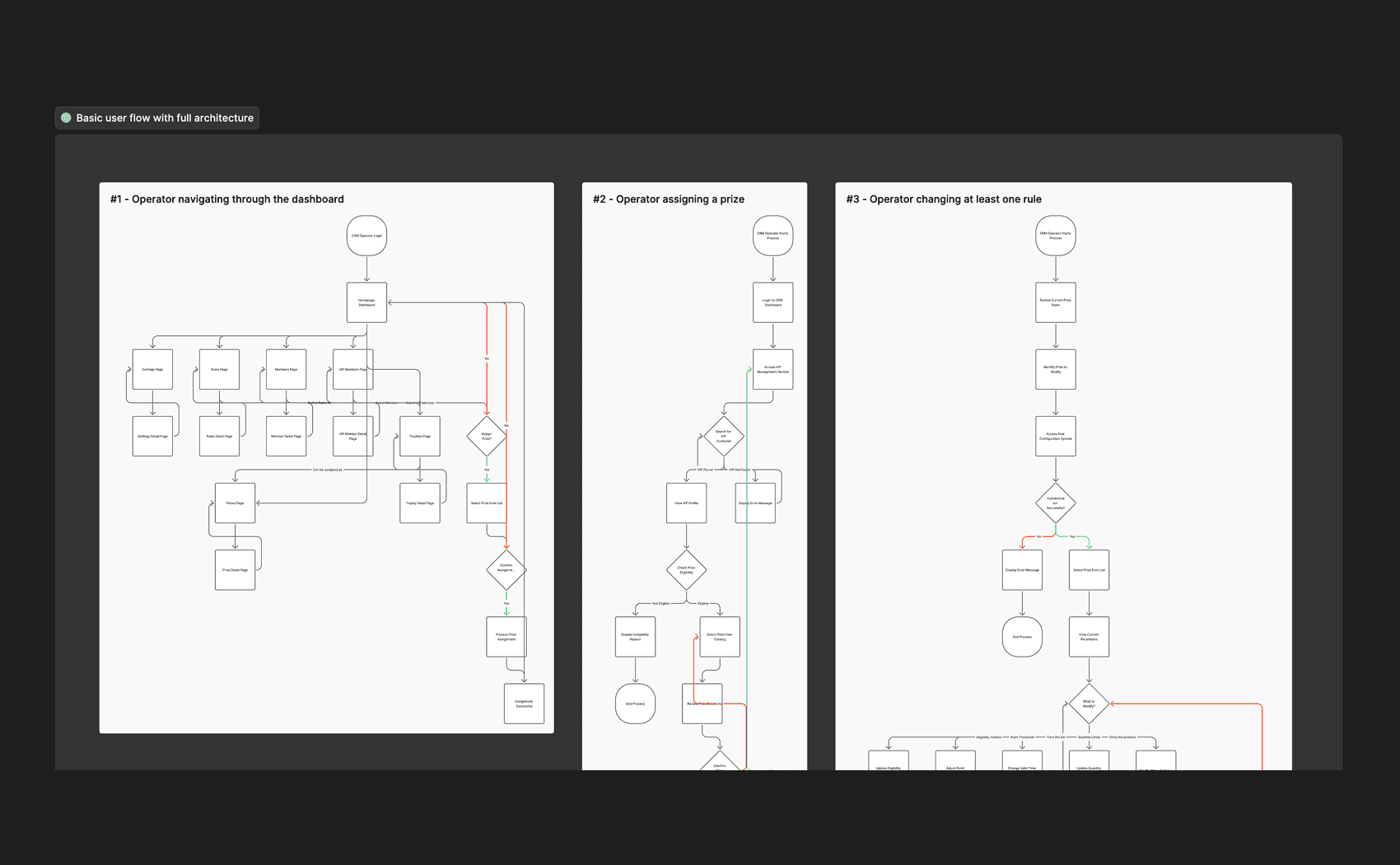
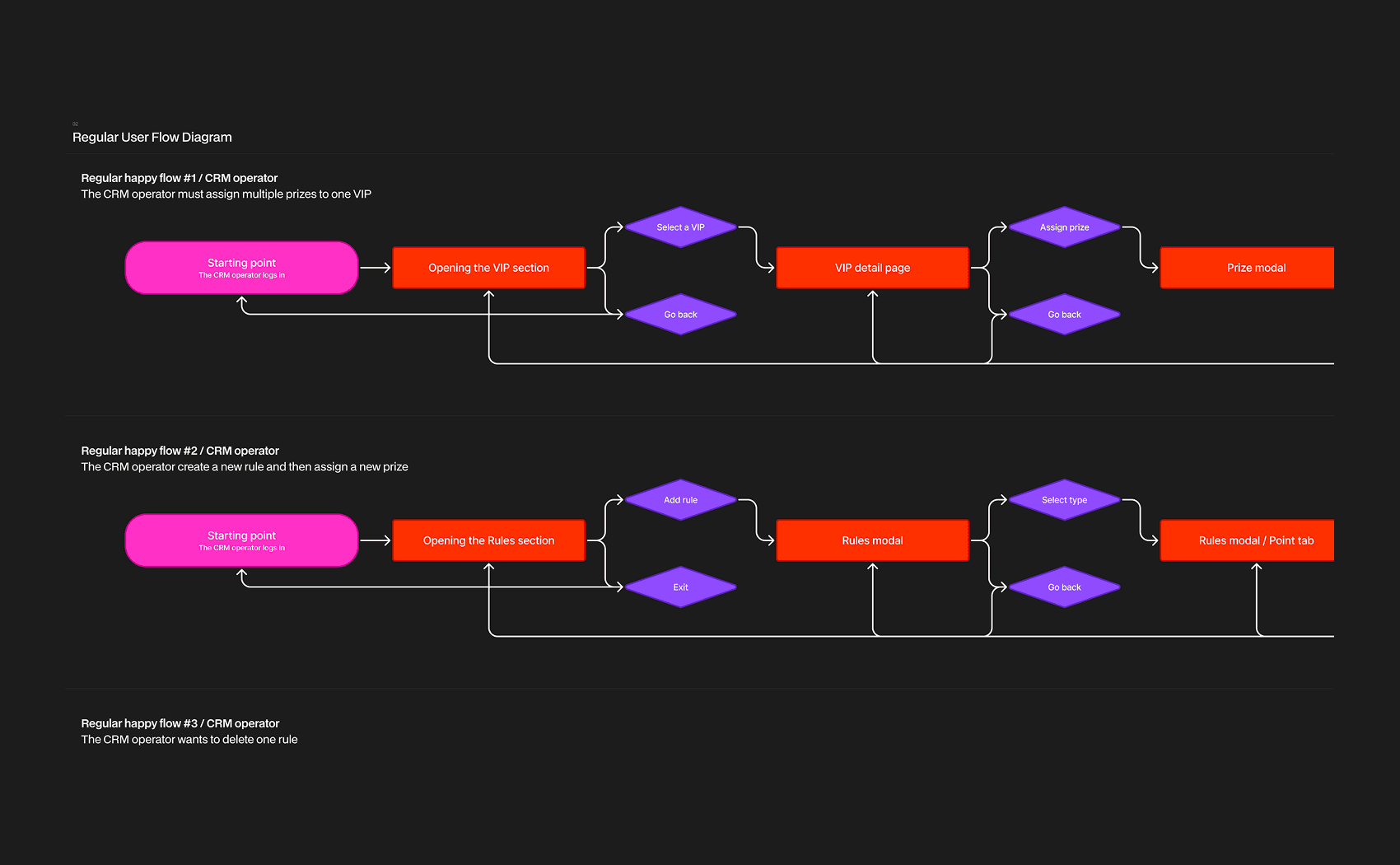
We then moved on to defining a number of internal flows to validate some of the most common use cases, covering almost the entire CRM experience while also considering how the process would work when the "happy path" differed.
Operator action
Assign a reward
Operator action
Define reward rules
Operator action
Add a VIP member
Operator action
Create a new reward
Operator action
Export a specific analytics metric
Operator action
Book an appointment
Two type of members
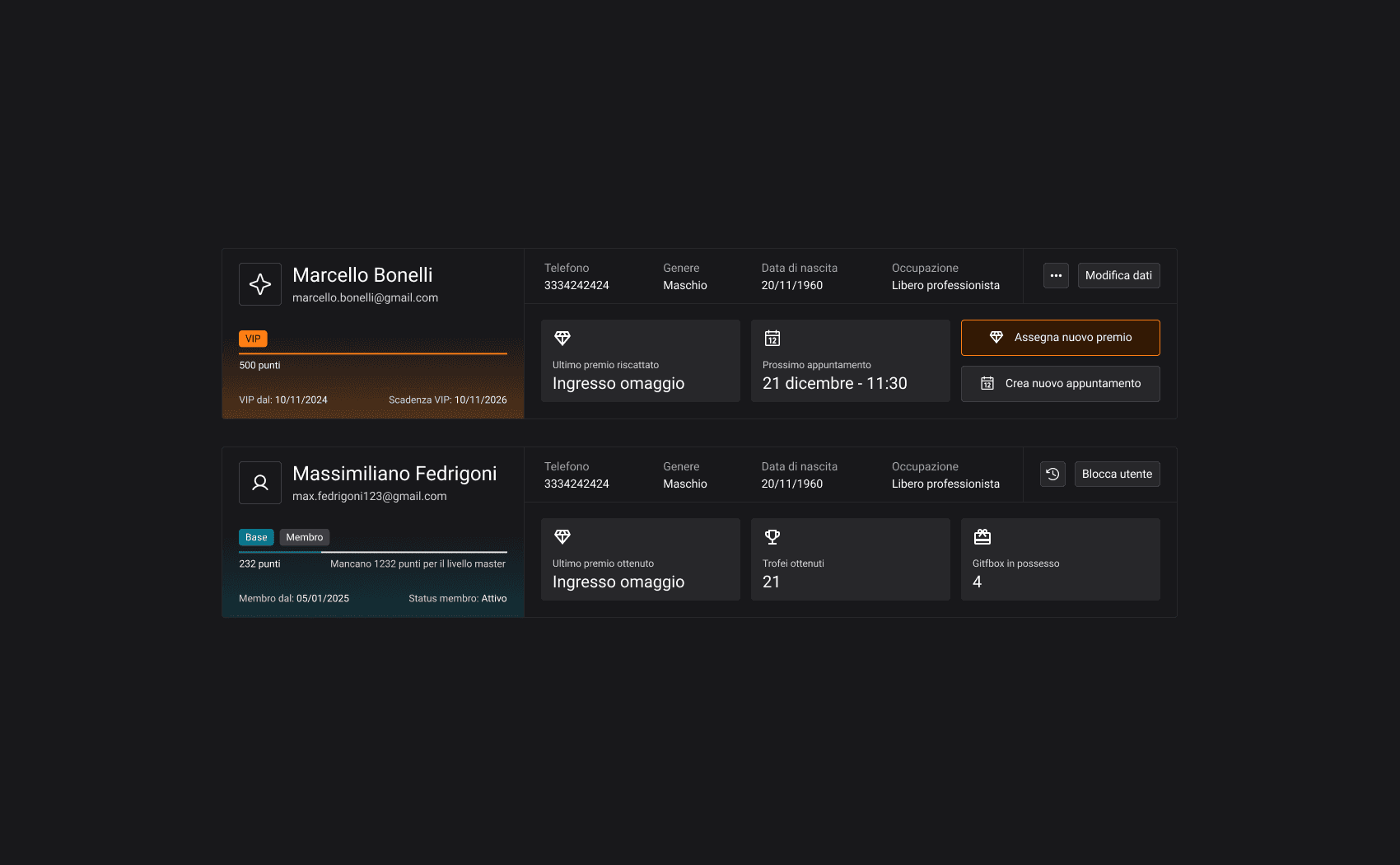
When designing the flows, we clearly differentiated between the two types of members who will populate the CRM: standard users, meaning anyone who has the Gallerie d’Italia app on their phone, and VIP users, who do not necessarily need to be registered and can be added directly by CRM operators.
The main differences lie in the scoring system—VIP members do not earn points—and in the fact that CRM operators can book appointments for them.
Wireframing
One of the most important milestones was presenting a complete wireframe to the client, which provided an overview of the entire architecture we had defined.
The CRM was very well received, allowing us to move forward smoothly with what we had built.
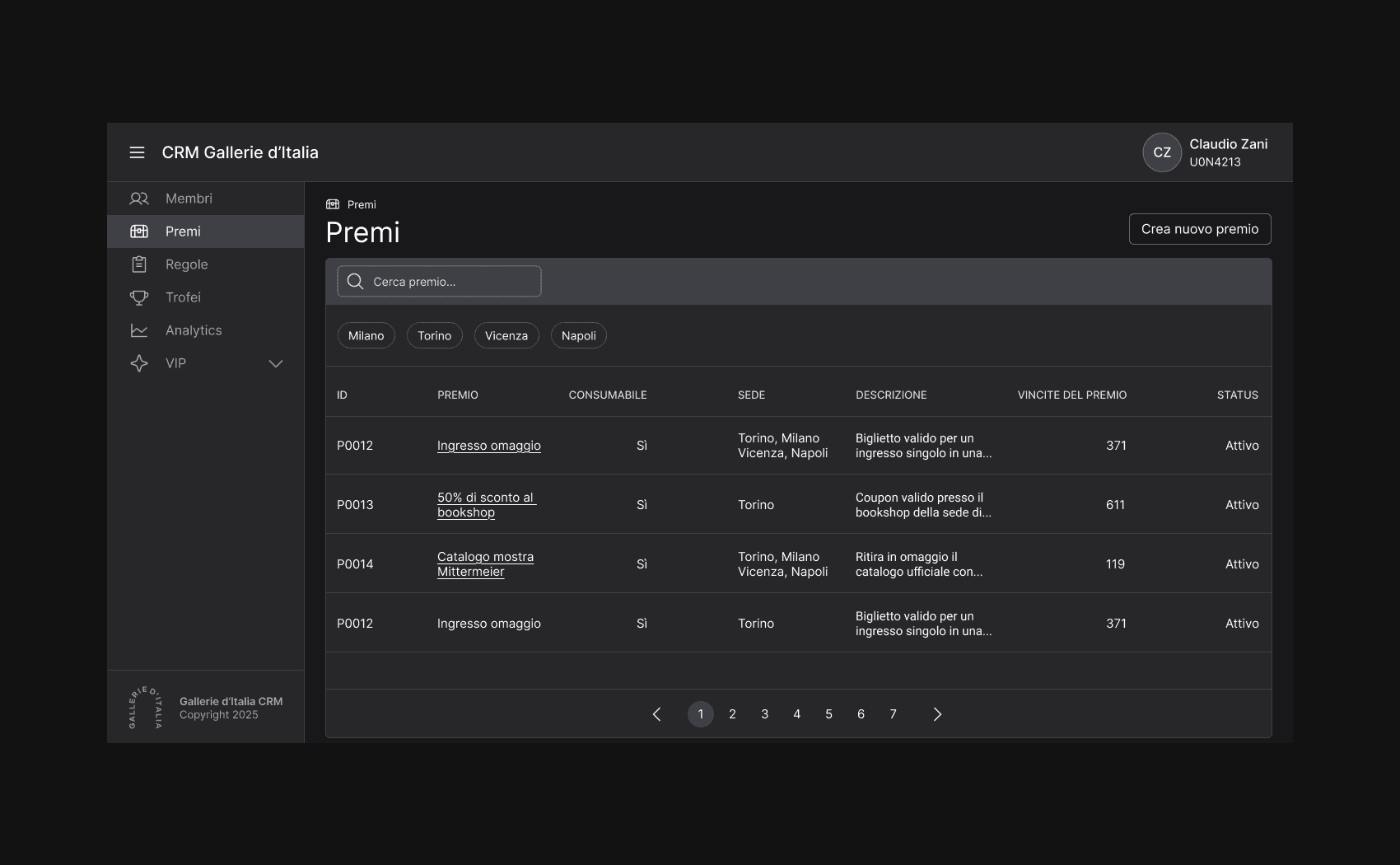
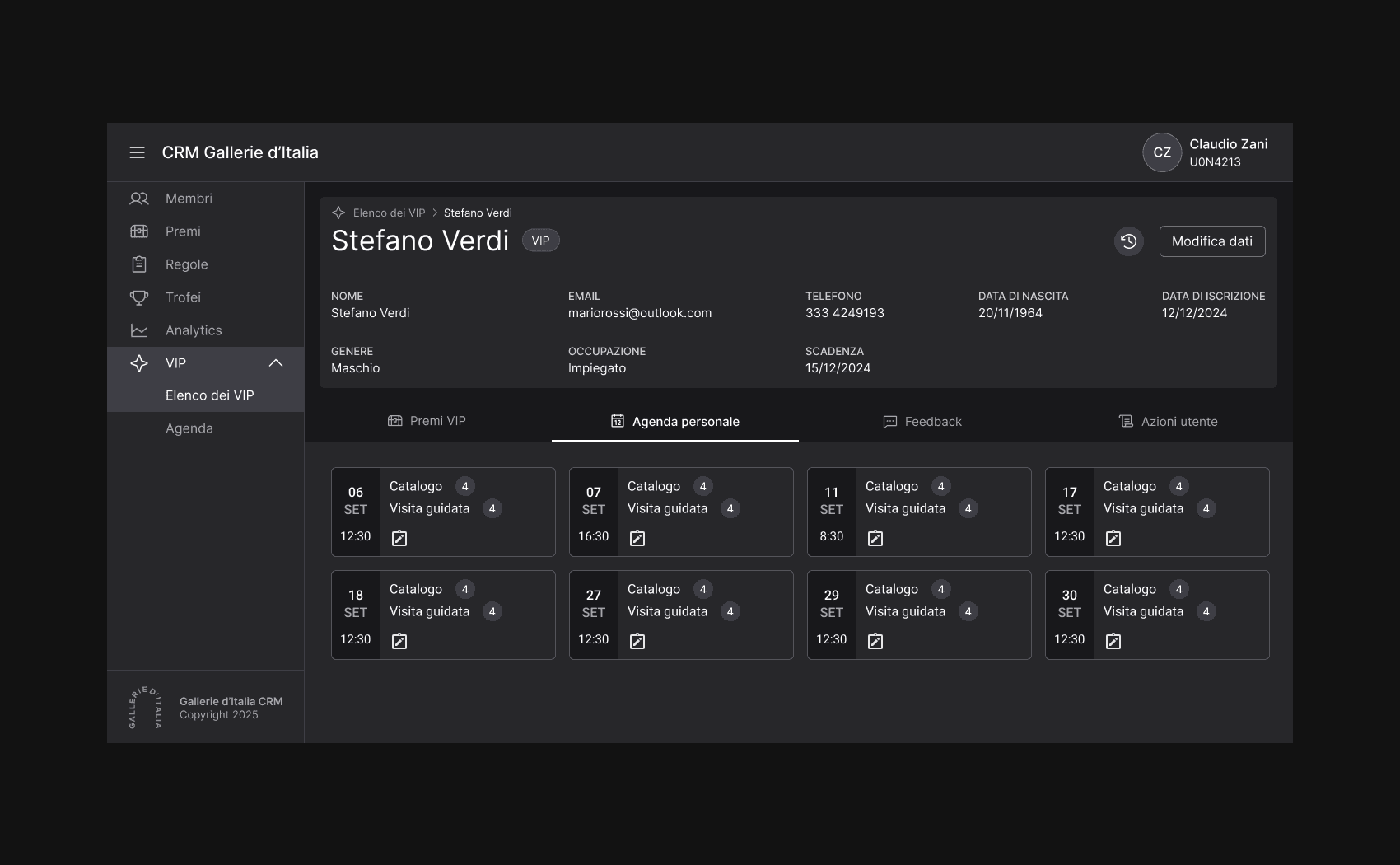
The VIP members section was one of the areas the client was most interested in, so we focused particular attention on it.
Design system
For the design system, we chose to adapt Bootstrap 5. There were several reasons why we decided not to use a more elaborate or visually refined design system. The main one was that this is a highly technical tool, not intended for end users, so it did not require an obsessive level of UI refinement.
Instead, we prioritized development speed and focused on the user experience, making it as efficient and suitable as possible for operators with specific tasks and goals to accomplish.
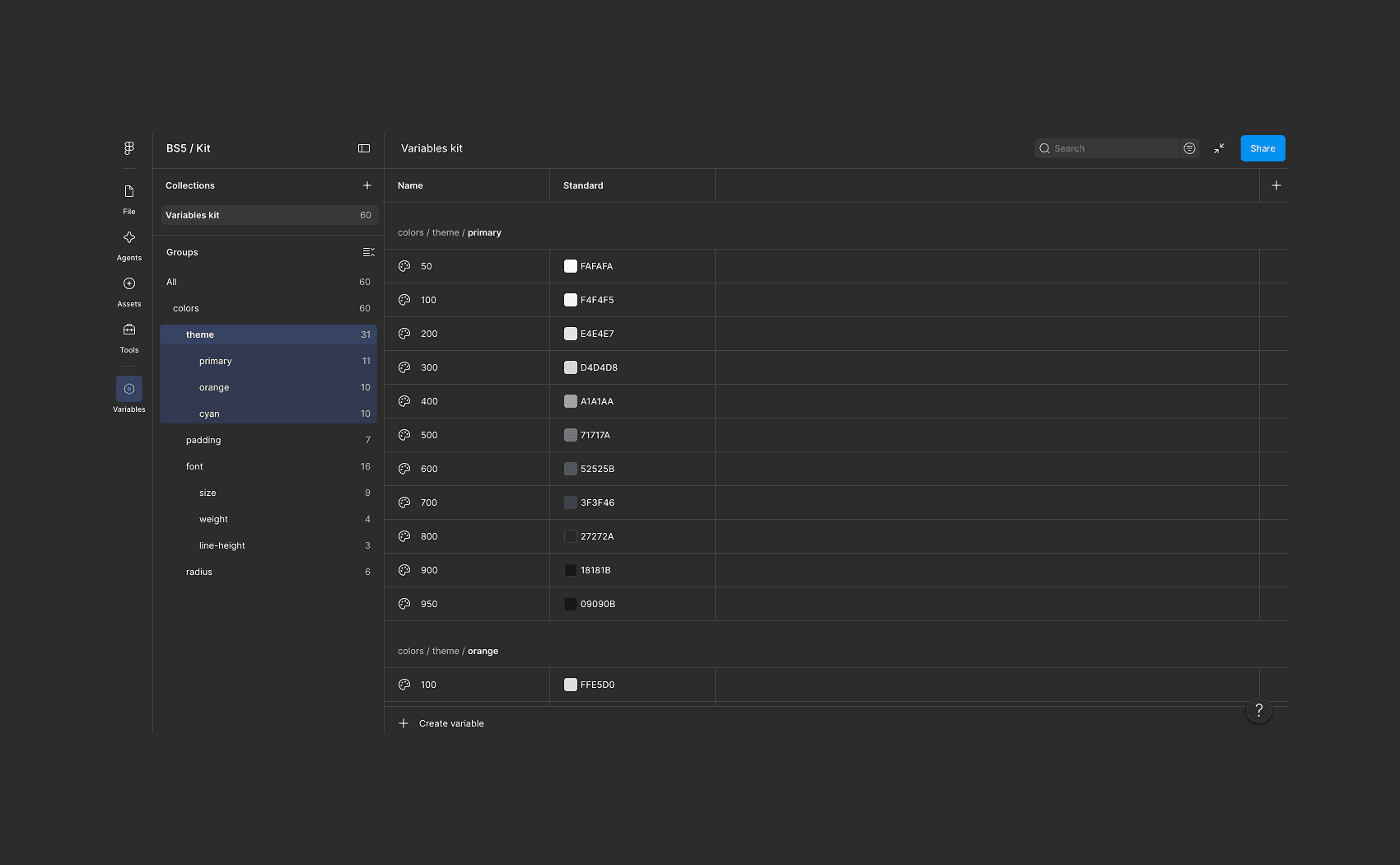
The color palette was based on Gallerie d’Italia’s existing brand identity, with two or three additional colors introduced to differentiate between member types.
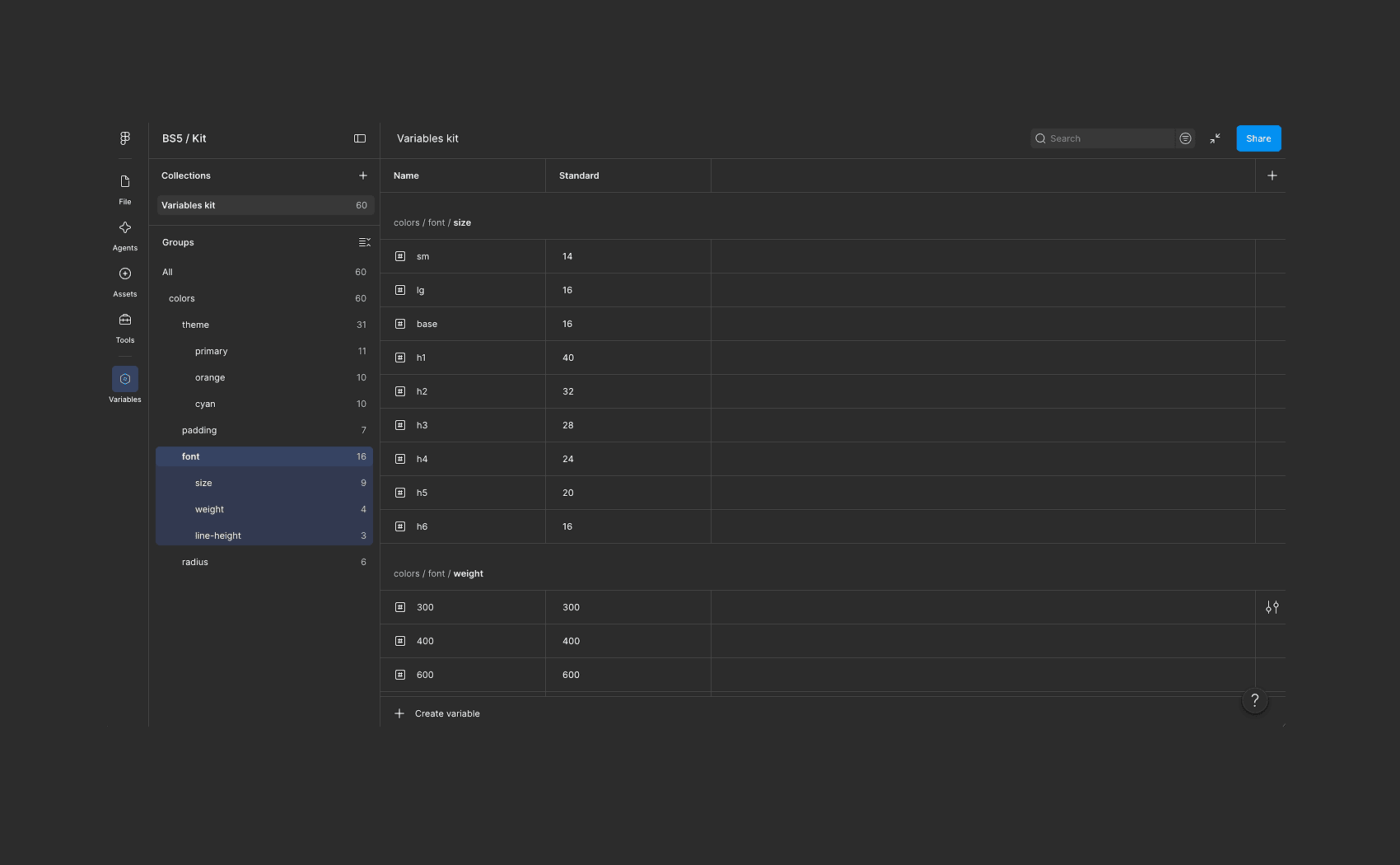
I made a few minor adjustments to Bootstrap’s default design system to better suit our specific needs, mainly around spacing.
Outcome
The CRM has been completed and the project is currently in the launch phase, while we wait for the other teams to finalize their respective parts.
As of today, on the CRM side, we have built a solid tool that allows operators to manage every aspect of the membership program, from reward allocation to VIP member management.
The tool is also essential for tracking what happens throughout the membership campaign, both at the individual reward and individual user level.
The end user's role
The final flow allows users, who receive or earn rewards through the Gallerie d’Italia app, to redeem them by presenting a QR code at the ticket desk.
Once the ticket desk operator verifies the code, the CRM operators are automatically notified that the reward has been successfully redeemed.
This synchronization allows both sides to take action within the system: CRM operators can create, modify, or assign rewards, while users can redeem and use them, generating valuable data for the CRM team.
What we built
What changed
Personal learnings